Oct 3, 2026Shore Power
What Is Shore Power (Cold Ironing) and How Does It Work?
Shore power lets ships plug into landside electricity at berth, cutting emissions and fuel cost. How the system works, key equipment and the 2030 EU deadline.
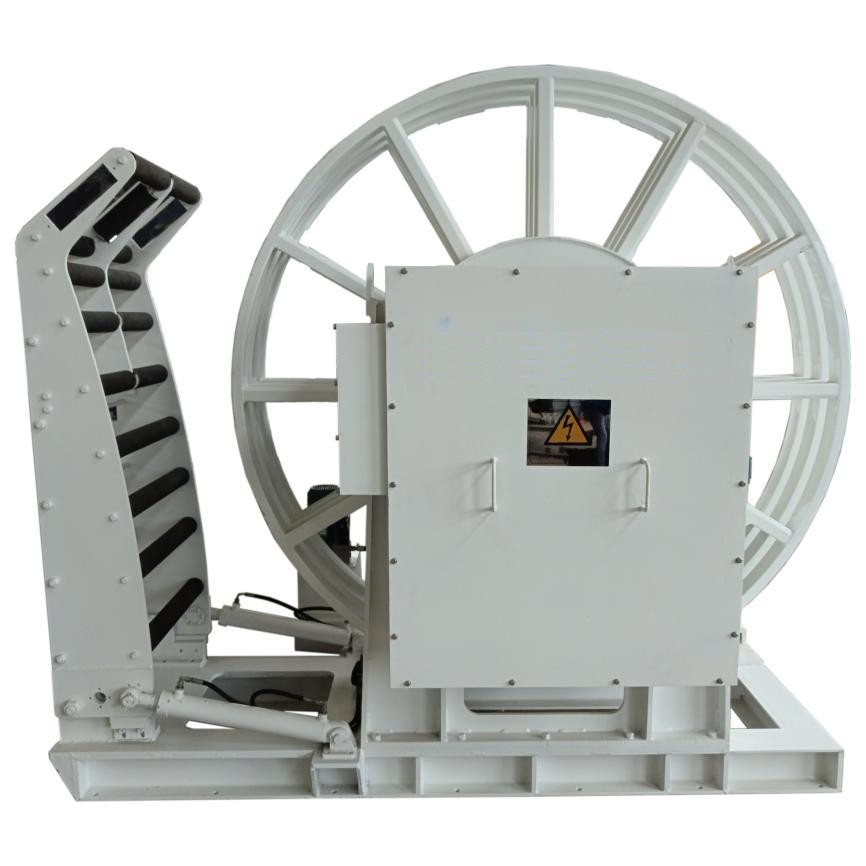
Shore power — also called cold ironing, shore-to-ship power or Onshore Power Supply (OPS) — is the practice of shutting down a ship's auxiliary engines at berth and connecting it to the landside electrical grid. The ship "plugs in" like an electric vehicle, taking clean electricity from the port instead of burning fuel.
Why Shore Power Matters
A berthed container ship or cruise vessel typically runs its diesel generators around the clock to power lighting, HVAC, refrigerated containers and cargo gear. That means emissions, noise and fuel cost — right in the middle of a city.
With shore power, a vessel at berth can cut its in-port fuel consumption and emissions dramatically. This is why regulators are making it mandatory:
EU AFIR (Regulation 2023/1804): from 1 January 2030, TEN-T core maritime ports must provide onshore power supply for container ships and passenger ships — with capacity covering at least 90% of demand.
From the same date, FuelEU Maritime rules require container and passenger ships at AFIR-covered ports to use shore power or zero-emission alternatives at berth.
How a Shore Power System Works — The Four Building Blocks
1. Shore-side connection box (ship shore connection box).
The interface point at the berth where the portable plug-and-cable assembly connects. It houses the socket, protection relays and emergency-stop interlocks. LV boxes cover 63A–350A; HV boxes serve 6.6kV–15kV and beyond.
2. Shore power cable reel.
The cable between quay and ship is heavy and long — up to 25kV and 500A. A motorized cable reel with slip ring, cable guide, emergency brake and backup drive manages pay-out and retrieval safely. Reels come in fixed (quay-mounted) and containerized versions.
3. Plug and socket connector.
Standardized connectors (per IEC/IEEE 80005 for HV, IEC 60309 family for LV) join the cable to the ship. Emergency shut-down is interlocked: you cannot unplug under load.
4. Frequency and voltage conversion.
Ships use 60Hz/440V or 6.6kV; grids use 50Hz/10kV. The shore power system converts frequency and voltage (via converter or transformer) so the ship receives clean, compatible power.
LV or HV Shore Power — Which One?
Low voltage (380/415/440V, 63A-350A) serves inland vessels, tugs and small ferries. High voltage (6.6kV-11kV, up to 500A) serves container ships, cruise vessels and large RoRo, per IEC/IEEE 80005.
The Equipment Checklist for a Port
A typical berth retrofit includes: shore power connection box(es), HV or LV shore power cable reel(s), plug & socket sets, frequency converter or transformer, control & monitoring, and safety interlocks. For shipowners, the ship side needs a matching connection panel and cable management.
FAQ
Why is it called "cold ironing"?
When a ship connects to shore power, its engines are shut down and the hot iron (engines) goes cold — hence "cold ironing", the term popularized in US ports.
Does shore power work for all ships?
It works for any ship fitted with a shore connection panel. Newbuilds increasingly install it as standard; older vessels can be retrofitted during docking.
Is shore power mandatory in the EU?
For ports: yes, from 1 January 2030 TEN-T core maritime ports must provide OPS for container and passenger ships under AFIR. For ships: FuelEU Maritime requires them to use shore power or zero-emission alternatives at those ports from the same date.
Planning a shore power berth? SP MARINE TECH supplies connection boxes, HV cable reels, plugs & sockets and turnkey systems — type approved by CCS, ABS, LR, DNV and BV. Request a Quote →